Crawling
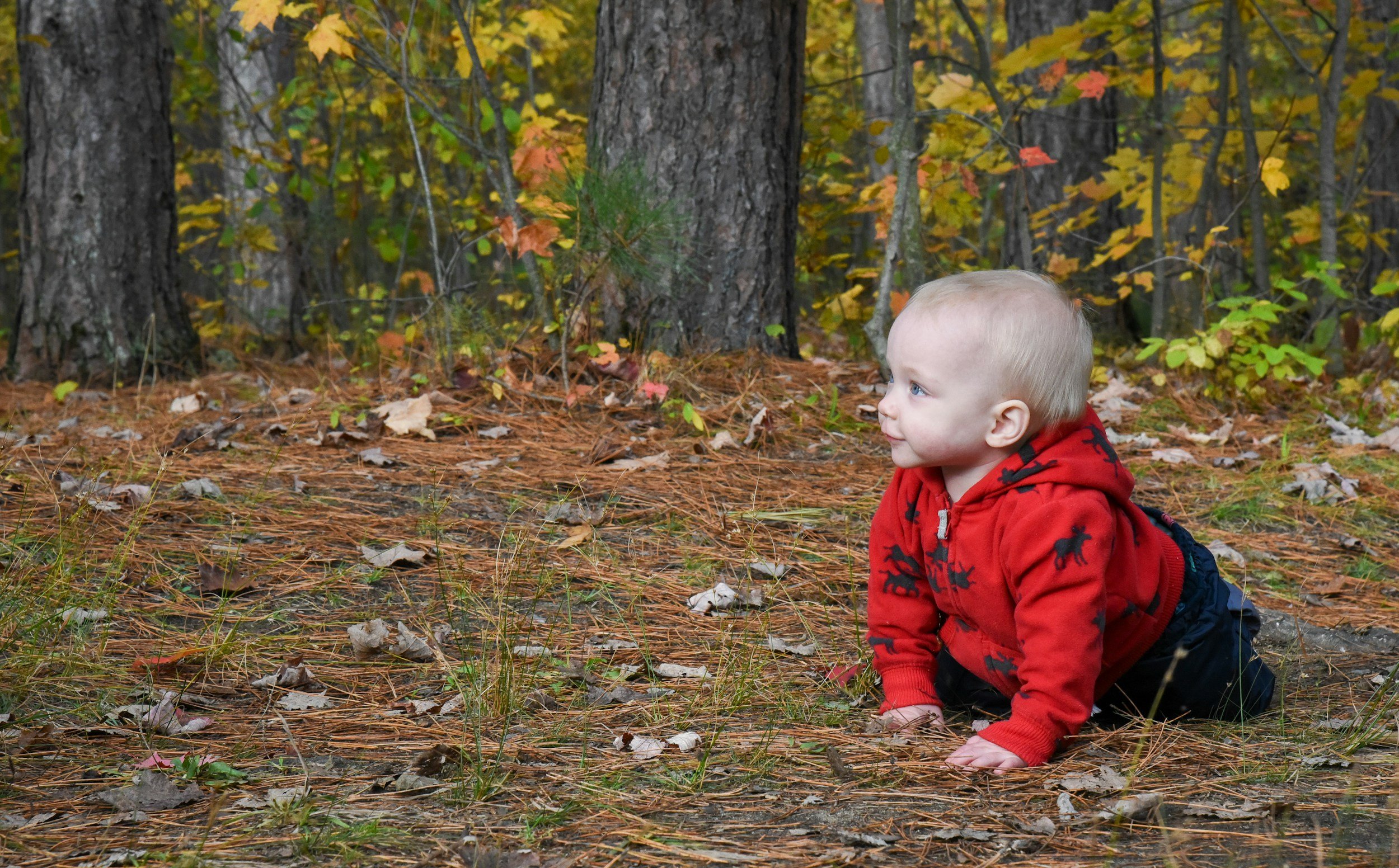
The Movement That Wires the Brain
In the first year of life, long before academics and structured learning begin, the infant is engaged in the most important work of childhood: building the brain through movement. One of the most profound and neurologically organizing stages in this process is crawling.
Across developmental neuroscience, occupational therapy, and early childhood education, crawling is recognized as a foundational milestone that supports lifelong learning, coordination, emotional regulation, and sensory integration.
The Wisdom of Natural Motor Development
Hungarian pediatrician Emmi Pikler devoted her life to studying infant motor development. Through decades of observation, she discovered that babies thrive when they are free to move and reach milestones naturally, without being placed into positions they cannot get into themselves.
Her work, later expanded by Magda Gerber through RIE (Resources for Infant Educarers), emphasized that crawling is not simply a way to get from one place to another—it is a brain-organizing experience.
Research from the Pikler Institute showed that self-initiated movement supports confidence, body awareness, and neurological integration. These findings continue to influence modern infant development and caregiving practices.
Crossing the Midline: Building the Brain’s Communication Highway
Crawling is a cross-lateral movement, meaning the baby moves opposite sides of the body together:
Right arm + left leg
Left arm + right leg
This motion is called crossing the midline.
Cross-lateral movement strengthens communication between the two hemispheres of the brain via the corpus callosum. This connection becomes the neurological foundation for:
Reading and writing
Visual tracking
Hand-eye coordination
Bilateral coordination
Focus and attention
Neurodevelopment researcher Sally Goddard Blythe explains in The Well Balanced Child that early movement patterns directly support later academic readiness. Her work shows that children who skip or shorten the crawling stage may later struggle with handwriting, attention, posture, and coordination.
Sensory Integration Begins on the Floor
Occupational therapist A. Jean Ayres, founder of sensory integration theory, identified crawling as a powerful organizer of the sensory systems in Sensory Integration and the Child.
While crawling, a baby is simultaneously developing:
Vestibular system (balance)
Head movement and spatial orientation
Proprioception (body awareness)
Pressure through hands and knees
Awareness of body position
Visual tracking
Eyes moving smoothly while head moves
Depth perception and coordination
This full-body sensory experience creates a neurological “map” of the body and environment.
The Foundation for Later Learning
Educational consultant Kim John Payne reminds us in Simplicity Parenting and The Importance of Being Little that early childhood should prioritize movement, rhythm, and sensory experiences over early academics.
Crawling prepares the child for:
Sitting upright comfortably in school
Holding a pencil and writing
Reading across a page
Coordinating both sides of the body
Maintaining attention and calm
When we allow time for crawling, we are quietly preparing the child for the classroom years ahead.
Emotional Regulation and Confidence
Crawling also nurtures emotional development. As babies move independently through space, they experience:
Agency
Problem-solving
Spatial awareness
Confidence in their own abilities
Each small journey across the floor becomes a moment of discovery: I can move. I can reach. I can explore.
These experiences form the roots of resilience and self-confidence.
A Developmental Perspective
From a holistic viewpoint, crawling is not something to rush through or skip. It is a season of development meant to be fully lived.
Floor time, freedom of movement, and unhurried development allow the infant to build strong neurological foundations that will support learning, coordination, and emotional wellbeing for years to come.
Crawling is not simply a milestone.
It is one of the earliest ways the brain learns to connect, integrate, and grow.